


Top Quality Ink Fingerprinting with FD-258 and FD-1164 Stock Cards

A fingerprint card can look simple at first glance. Ten rolled prints, a few flat impressions, some personal details, and a signature. Yet anyone who has had prints rejected knows how much depends on the quality of that card.
Ink fingerprinting still matters. Many agencies, employers, licensing boards, and background check programs continue to require physical fingerprint cards. Some requests cannot be completed through a local electronic live scan system. Others must be mailed, submitted to an out-of-state agency, or kept on file by an organization that asks for a specific stock card.
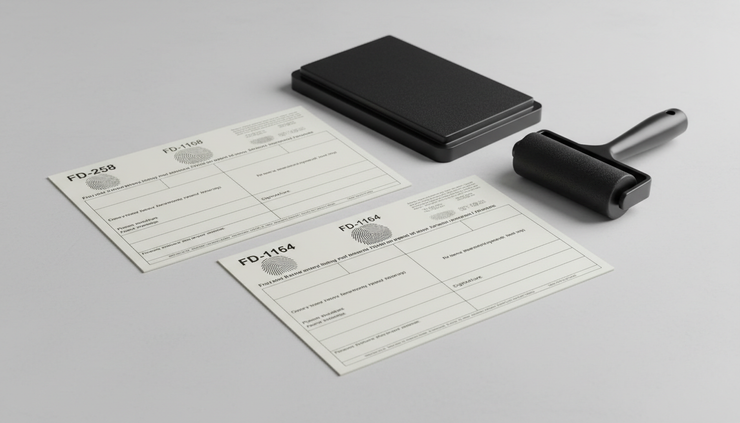
That is where a careful ink fingerprinting provider makes a real difference. Notary Livescan CA LLC can provide top quality ink fingerprinting and help with common stock cards such as the FD-258 and FD-1164, giving applicants a cleaner, more reliable way to complete a requirement that often has little room for error.
Why ink fingerprinting still has a place
Electronic fingerprinting has become common, especially for many state background checks. In California, live scan is often the standard for Department of Justice submissions. But electronic systems do not cover every situation.
Physical ink cards remain common when the requesting agency needs a mailed card, when the application goes to another state, or when the background process uses federal forms. Some agencies want the applicant to submit original ink impressions on a specific card. Others allow a printed card generated from an electronic capture system, but still require the card format to match their instructions.
Ink fingerprinting is often used for:
Out-of-state professional licensing
Federal background checks
Employment screening requested by certain agencies
Adoption or guardianship background requirements
Visa, residency, or international documentation requests
Personal record review requests
Contractor, vendor, or volunteer screening
Agency-specific identification requirements
The challenge is that requirements vary. One agency may accept a standard applicant card. Another may require a card with a specific number, format, or origin. Some ask for two cards. Some want signatures in exact places. Some require the applicant to bring paperwork with an agency code or mailing address.
A good fingerprinting appointment is not only about rolling ink onto a card. It is about slowing down enough to capture readable prints, organizing the card properly, and helping the applicant avoid basic mistakes that can delay a submission.
What top quality ink fingerprinting really means
A high-quality fingerprint card starts with clean ridge detail. The patterns on each finger must be visible enough for a processor or examiner to read. Smudges, heavy ink, gaps, and incomplete rolls can all cause problems.
Top quality ink fingerprinting depends on the right balance of pressure, ink, and movement. Too much ink can blur the ridges. Too little ink can leave broken lines. Too much pressure can smear the print. Too little pressure can create faint impressions. Rolling too far or not far enough can miss areas that an agency expects to see.
A trained technician watches for these details during the appointment.
Good ink fingerprinting should produce prints that are:
Clear enough to show ridge patterns
Rolled from one side of the nail to the other when required
Placed inside the correct boxes
Free from avoidable smears and double impressions
Complete enough to include the required fingerprint area
Matched to the correct card type and applicant information
The process may feel quick, but the small details matter. Fingerprints can be rejected when they are too dark, too light, misaligned, or missing key areas. Rejection does not always mean the technician did something wrong. Some people have worn, scarred, dry, or naturally faint ridge detail. Still, a careful process gives the card the best chance of acceptance.
Professional ink fingerprinting also involves reviewing the card before the applicant leaves. This step helps catch blank fields, unsigned areas, or obvious print issues. It cannot guarantee acceptance by a receiving agency, because each agency controls its own review process. But it can reduce preventable problems.

Stock cards matter more than many applicants expect
Not all fingerprint cards are interchangeable. Many look similar, but agencies often request a specific form because it matches their processing system. The card may include designated boxes, government form numbers, instructions, or fields needed for a particular background check.
The FD-258 is one of the most widely recognized applicant fingerprint cards in the United States. It is commonly used for many background check and licensing purposes when an agency requests ink fingerprint cards. Applicants often need it for out-of-state licensing boards, federal-related screenings, or organization-specific background submissions.
The FD-1164 is another common stock card associated with certain identity history and record review requests. When an agency or instruction sheet names a specific card, the safest approach is to follow that instruction exactly.
A provider that carries common stock cards can save time. Applicants may not know where to get the correct card, whether printing one is acceptable, or whether the requesting agency requires a physical stock version. Notary Livescan CA LLC can provide common stock cards, which helps remove one source of confusion from the process.
Here is a simple way to understand why the card type matters:
Card factor | Why it matters |
Form number | Some agencies process only the card type they request. |
Field layout | Required information must appear in the expected location. |
Print boxes | Rolled and flat impressions need to fit clearly in the proper spaces. |
Agency instructions | The agency may require signatures, ORI fields, reason codes, or other details. |
Mailing process | Some cards are submitted directly by the applicant, while others go through an agency or employer. |
Even when the fingerprint impressions are excellent, the wrong card can cause delays. The same can happen if the applicant fills in a required section incorrectly or leaves it blank.
That is why it helps to bring all instruction pages to the appointment. If an agency emailed a packet, bring the packet. If a licensing board posted directions online, save or print them. If an employer gave a checklist, keep it with the card. The technician can usually help identify what information belongs on the card, but the applicant remains responsible for following the receiving agency’s exact rules.
What to bring to an ink fingerprinting appointment
A smooth appointment starts before the ink pad comes out. The more prepared the applicant is, the easier it is to complete the card correctly.
Most people should bring:
A valid government-issued photo ID
Any fingerprinting instructions from the requesting agency
The correct fingerprint card, if the agency provided one
Payment method accepted by the provider
Any forms that need to be signed, attached, or mailed with the card
The agency’s mailing address, if the applicant must submit the card by mail
If the provider supplies stock cards, the applicant may not need to bring a blank card. Still, it is wise to confirm which card the agency requires before the appointment. A common mistake is assuming that one fingerprint card works for every request. It does not.
Applicants should also check whether the agency requires one card or multiple cards. Some background check requests ask for two completed fingerprint cards. If only one card is prepared, the applicant may have to schedule a second visit.
It also helps to prepare the hands. Clean, dry hands work best. Lotion can sometimes make prints too slick, while extremely dry skin can cause broken or faint ridge detail. If the skin is very dry, using moisturizer regularly in the days before the appointment may help, but the hands should not be greasy at the time of printing.
Small cuts, bandages, or skin irritation can affect the final card. If a finger has a temporary injury and the deadline allows, waiting until the skin heals may produce better results. If the deadline does not allow waiting, the technician can still capture the best available impression and note issues when appropriate.
A good appointment also includes time for review. Before leaving, the applicant should make sure the card includes the basics:
Full legal name, if required
Date of birth, if required
Place of birth, if required
Sex, height, weight, race, eye color, and hair color, if required
Applicant signature
Date signed
Reason fingerprinted, if listed in the instructions
Agency or employer information, if provided
Technician signature or official section, if required
Some of these fields may not apply to every request. The key is to follow the agency instructions, not guess.

Why choosing the right provider reduces stress
Ink fingerprinting is a small step in a much larger process. That process might involve a professional license, a job, a volunteer role, a legal filing, or an agency deadline. When the fingerprint card is only one item on a long checklist, it is tempting to treat it as a quick errand. But a poor card can create delays that affect the entire application.
Choosing a provider that understands ink fingerprinting helps in several ways.
The card is handled with care.
The technician knows that each box matters. Rolled prints and flat impressions have different purposes, and both need to be placed correctly.
The process is less confusing.
Applicants often arrive with instructions that are hard to interpret. A knowledgeable provider can help identify the card type and explain the general process without replacing the agency’s official instructions.
The supplies are ready.
When common stock cards are available, applicants do not have to search for the right form on their own. That is especially helpful when a deadline is near or when the requesting agency only gives limited guidance.
The final card is easier to submit.
A clean, complete card gives the applicant more confidence before mailing or delivering it. It also reduces the chance of obvious preventable issues.
Notary Livescan CA LLC offers ink fingerprinting with attention to these practical details. For applicants who need common fingerprint stock cards, the ability to provide cards on site can make the process simpler and more reliable.
It is still important to remember that no fingerprinting provider can promise that an outside agency will accept a card. Agencies make their own decisions based on their standards, systems, and review process. What a provider can do is produce the clearest possible prints, use appropriate materials, and help reduce common submission errors.
Common reasons fingerprint cards get delayed or rejected
A rejected fingerprint card is frustrating, especially when the applicant did not know anything was wrong. Some issues are outside anyone’s control, but many are preventable.
The most common problems include poor print quality, missing information, wrong card type, and incomplete instructions. Sometimes the card gets rejected because the receiving agency has strict rules about how a field must be completed. Other times the prints are simply too smudged or faint to process.
Here are some issues that can cause trouble:
Prints appear too dark because of excess ink
Prints appear too light because of not enough ink or dry skin
Rolled impressions do not show the full required area
Prints overlap the borders of the boxes
Flat impressions are missing or unclear
The applicant signs in the wrong place
The card is missing required demographic information
The wrong fingerprint card was used
The card is folded, damaged, or stained before mailing
The agency required multiple cards, but only one was submitted
Mailing can also affect the outcome. A card should stay flat and clean. Folding the card, placing it loosely in a bag, or letting the ink rub against other papers can damage the impressions. If the agency gives mailing instructions, follow them closely. If it asks for a specific envelope, tracking method, or attachment, use that method.
Applicants should also avoid writing over fingerprint areas or using correction fluid on important fields. If a major mistake happens on the card, it is usually better to start over with a clean card than to send a messy correction that might raise questions.
Ink fingerprinting for nationwide needs
Because many ink cards are mailed, ink fingerprinting is often part of a nationwide process. Someone living in California may need prints for a licensing board in another state. A person applying for a federal review may need a card that goes to a national processing center. An employer or agency may have headquarters in one state and applicants across the country.
That is one reason physical cards remain useful. They give agencies a standard way to receive fingerprints from applicants who are not all located near the same electronic fingerprinting system.
For nationwide requests, the agency’s instructions matter even more. State licensing boards and federal agencies may use similar fingerprint card formats, but their supporting paperwork can differ. One board may require an application number on the card. Another may require a sealed envelope. Another may ask the applicant to mail the card with a fee, form, or cover sheet.
Before the appointment, applicants should check:
Which fingerprint card is required
Whether the agency accepts ink cards from any qualified provider
How many cards are needed
Who must mail the card
Whether the card must be sealed or signed by the technician
Whether extra forms must go with the card
Whether there is a deadline for submission
This preparation keeps the fingerprinting appointment focused. It also helps the provider complete the card in a way that matches the request.

A small appointment can protect a larger application
Ink fingerprinting may only take a short time, but the card can carry real weight. It may support a license, a record request, a background check, or an agency decision. That makes quality worth seeking out.
The best fingerprinting experience is simple, careful, and clear. The applicant brings the right instructions. The provider uses the right card and clean technique. The finished card is reviewed before it leaves the appointment. Then the applicant follows the agency’s mailing or submission rules exactly.
Notary Livescan CA LLC can help with top quality ink fingerprinting and common stock cards, giving applicants a dependable place to complete this important step. When the prints are clear and the paperwork matches the request, the rest of the process has a stronger start.


Comments